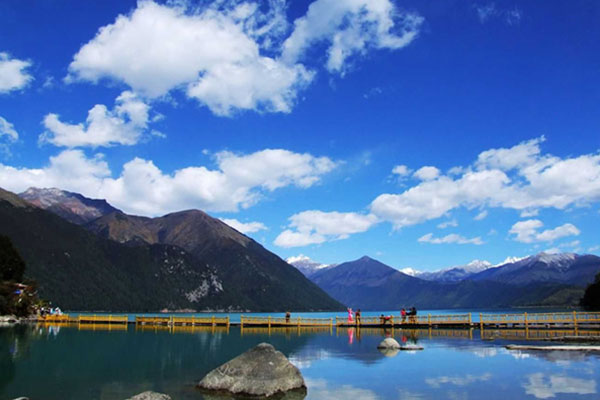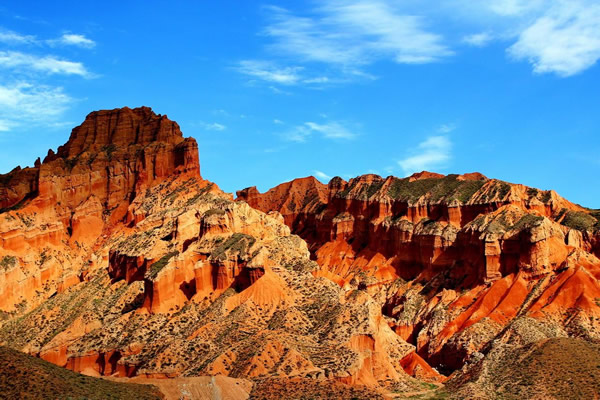
Tibet has long captured the imagination of travelers around the world. Towering Himalayan peaks, sacred lakes reflecting snow-capped mountains, and centuries-old monasteries perched on cliffs make it one of the most mystical destinations on Earth. For many travelers from India, Tibet is not only a spectacular travel destination but also a deeply spiritual land connected with ancient pilgrimage traditions.
However, traveling to Tibet is different from visiting most destinations. Special permits are required, and the rules vary depending on the traveler’s nationality and travel purpose. Indian passport holders, in particular, need to pay close attention to specific regulations—especially if they plan to visit the sacred region of Mount Kailash and Lake Manasarovar.
In this comprehensive guide, we explain everything Indian travelers need to know before planning a trip to Tibet: who can travel, how to obtain the Tibet Travel Permit, pilgrimage regulations, entry procedures, and recommended travel routes. Whether you are planning a cultural tour of Lhasa or a spiritual pilgrimage to Mount Kailash, this guide will help you prepare smoothly and confidently.
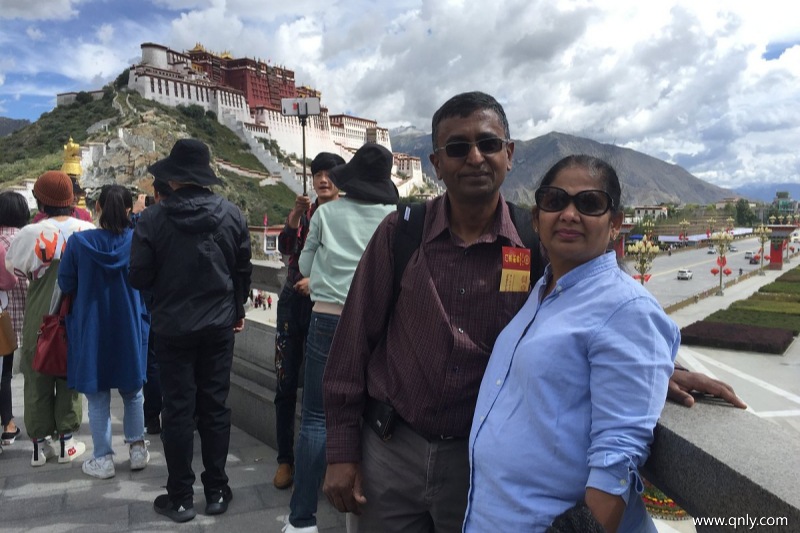
Can Indian Citizens Travel to Tibet?
Yes, Indian citizens can travel to Tibet, but the application process depends on the destination within Tibet and the type of passport held.
When applying for the Tibet Travel Permit, Indian travelers generally fall into three categories:
-
Regular Indian tourists (not visiting Ngari / Mount Kailash)
-
Indian pilgrims traveling to Mount Kailash and Lake Manasarovar
-
Travelers of Indian origin holding non-Indian passports
Each category follows a different permit procedure. Understanding these distinctions is essential before planning your Tibet journey.
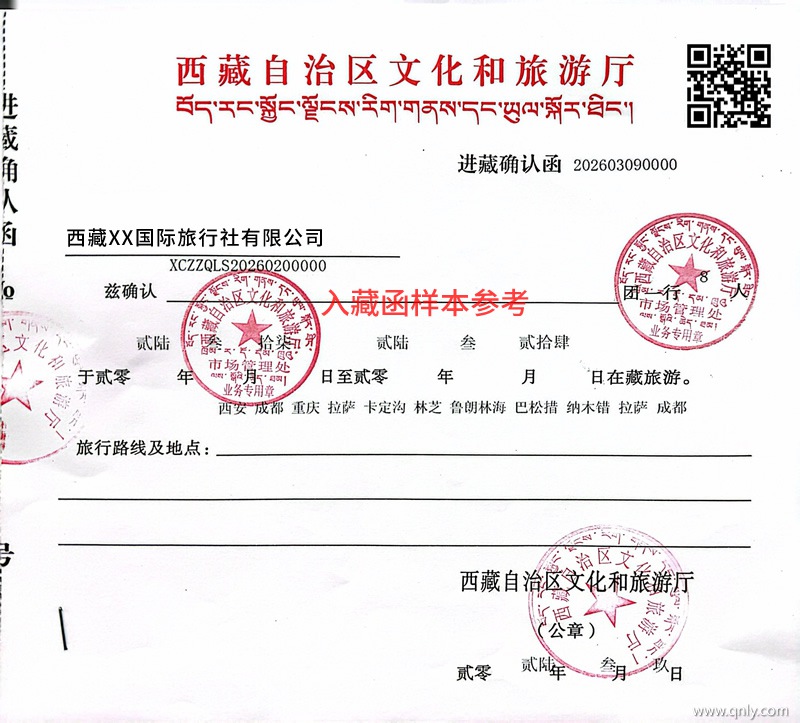
1. Regular Indian Tourists Visiting Tibet (Not Traveling to Mount Kailash)
For Indian tourists who wish to visit Tibet but do not plan to travel to the Ngari region (Mount Kailash area), the process is relatively straightforward.
These travelers are treated similarly to other international visitors.
Required permit
All foreign travelers entering Tibet must obtain the Tibet Travel Permit, issued by the Tibet Tourism Bureau.
Your Tibet travel agency will apply for this permit on your behalf.
Application process
To apply for the Tibet Travel Permit, you simply need to provide:
-
A clear scan of your passport
-
A scan of your Chinese visa
These documents should be emailed to your Tibet travel agency at least 20 days before your trip.
Once approved, the permit allows you to travel in Tibet under the arrangement of a licensed local travel agency.
What you can do in Tibet
With the permit, Indian tourists can explore many famous destinations, such as:
-
Lhasa
-
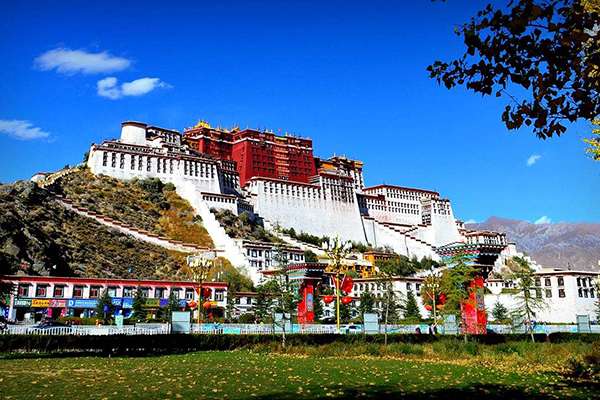
Potala Palace
-
Jokhang Temple
-
Yamdrok Lake
-
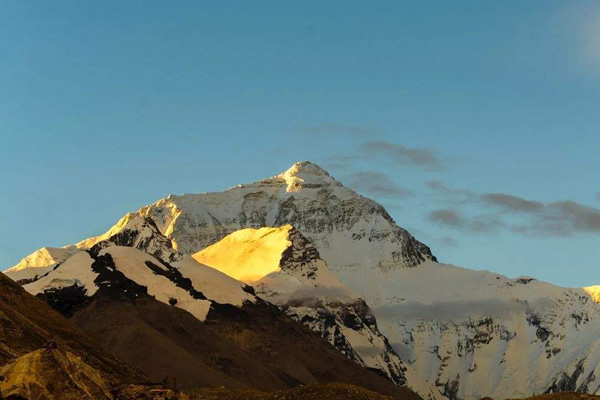
Mount Everest Base Camp
-
Shigatse
-
Nyingchi
In other words, Indian travelers visiting these areas can enjoy Tibet just like any other international tourist.
Good news for travelers
If you book your trip with a reliable Tibet travel agency, the Tibet Travel Permit is usually arranged free of charge for clients.
As a professional Tibet travel company, we guarantee that all our guests will receive their Tibet Entry Permit smoothly and efficiently.
2. Indian Pilgrims Traveling to Mount Kailash and Lake Manasarovar
The rules change significantly if an Indian passport holder plans to visit Mount Kailash or Lake Manasarovar.
These travelers are categorized as pilgrims rather than tourists, even if their primary purpose is sightseeing.
Why Mount Kailash is different
Mount Kailash is one of the holiest mountains in the world.
It is sacred to multiple religions:
-
Hinduism
-
Buddhism
-
Jainism
-
Bon
For Hindus especially, completing the Mount Kailash Kora (circumambulation) and visiting Lake Manasarovar is considered a life-changing spiritual journey.
Because of the religious significance and the sensitive border location, the permit process is far more complex.
Permit approval authorities
For Indian passport holders traveling to Mount Kailash, the Tibet permit must be jointly approved by several government departments, including:
-
Tibet Foreign Affairs Office
-
Tibet Military District
-
Tibet Border Defense Forces
-
Public Security Department of Tibet Autonomous Region
Due to these additional approvals, individual travel arrangements are not possible.
Who can arrange pilgrimage travel?
Only two authorized institutions can organize Mount Kailash pilgrimage for Indian passport holders:
-
Tibet Foreign Affairs Office
-
Tibet Pilgrim Reception Center in Lhasa
This means:
-
Regular travel agencies inside Tibet are not authorized to receive Indian pilgrims
-
Independent permit applications are not possible
Most Indian pilgrims therefore book their pilgrimage through designated travel agencies in India or Nepal that cooperate with the Tibetan authorities.
3. Travelers of Indian Origin Holding Non-Indian Passports
The rules are much simpler if you are of Indian origin but hold a passport from another country, such as:
-
United States
-
Canada
-
United Kingdom
-
Australia
-
Singapore
In this case, you are not classified as an Indian pilgrim, even if you plan to visit Mount Kailash.
You are treated as a regular international traveler.
This means you can easily book Mount Kailash tours or other Tibet tours through licensed Tibet travel agencies like ours.
We can help arrange:
-
Tibet Travel Permit
-
Aliens’ Travel Permit
-
Military Permit (for Ngari region)
-
Complete travel itinerary
Everything can be organized through a standard Tibet tour package.
Special Note: Tibetans Holding Indian Passports
There is one special case worth mentioning.
Tibetans who currently hold Indian passports cannot apply for the Tibet Travel Permit through travel agencies for tourism purposes.
Instead, they must apply through specific overseas Tibetan affairs departments in China.
In other words, they cannot enter Tibet under the standard China tourist visa and permit process.
How to Apply for a Tibet Travel Permit (For Indian Tourists)
For Indian passport holders traveling to Tibet (excluding Mount Kailash region), the permit process is very simple.
Step-by-step application
-
Choose a licensed Tibet travel agency
-
Send scanned copies of your passport and Chinese visa
-
Submit the documents at least 20 days before departure
-
Your travel agency applies for the Tibet Travel Permit
-
Receive confirmation and finalize your itinerary
Once approved, your permit will allow you to board flights or trains to Tibet.
Entering Tibet from Nepal
Many Indian travelers prefer entering Tibet from Nepal, especially if their itinerary includes Mount Kailash.
If you plan to enter Tibet via Kathmandu, please note an important requirement.
Chinese Group Visa
All travelers entering Tibet from Nepal must obtain a Chinese Group Visa.
To apply for this visa:
-
You must stay in Kathmandu for at least 3 days
-
Your original passport must be submitted
Your travel agency in Nepal will assist you in arranging the visa and Tibet permits.
Popular Travel Routes for Indian Visitors
Indian travelers usually choose one of two main travel routes in Tibet.
Route 1: Kathmandu – Gyirong – Mount Kailash
The shortest route to Mount Kailash starts from Kathmandu.
Travelers cross the Gyirong border and continue overland into Tibet before heading west to the sacred mountain.
This route is ideal for:
-
Pilgrims focused on Mount Kailash
-
Travelers with limited time
Route 2: Lhasa – Everest Base Camp – Mount Kailash
The most popular itinerary among Indian travelers begins in Lhasa, the capital of Tibet.
Typical route:
Lhasa → Shigatse → Everest Base Camp → Saga → Lake Manasarovar → Mount Kailash
This journey combines both cultural sightseeing and spiritual pilgrimage, allowing travelers to experience:
-
The historic monasteries of Lhasa
-
The breathtaking view of Mount Everest Base Camp
-
The sacred landscapes of Lake Manasarovar and Mount Kailash
It is an unforgettable adventure across the Tibetan Plateau.
Travel Tips for Indian Visitors to Tibet
Before traveling to Tibet, Indian visitors should keep several practical tips in mind.
1. Plan your trip early
Permit processing takes time.
Always start planning your Tibet journey at least one month in advance.
2. Travel with a licensed agency in Tibet
Foreign travelers cannot travel independently in Tibet.
A registered Tibet travel agency must arrange your:
-
Permits
-
Guide
-
Transportation in Tibet
-
Accommodation
3. Prepare for high altitude
Most Tibetan destinations sit above 3,500 meters (11,500 feet).
Take time to acclimatize in Lhasa before traveling to higher regions like Everest Base Camp or Mount Kailash.
4. Pack wisely
Bring:
-
Warm clothing
-
Sunglasses
-
Sunscreen
-
Comfortable hiking shoes
Weather in Tibet can change rapidly, even in summer.
Why Travel to Tibet?
Despite the paperwork and planning, Tibet remains one of the most rewarding destinations on Earth.
Travelers come for many reasons:
-
Spiritual pilgrimage
-
Himalayan landscapes
-
Tibetan Buddhist culture
-
Unique high-altitude adventures
Standing beside Lake Manasarovar, watching the reflection of Mount Kailash, or witnessing sunrise at Everest Base Camp are moments that stay with travelers for a lifetime.
Let Us Help You Plan Your Tibet Journey
As a trusted Tibet travel agency, we specialize in helping international travelers experience Tibet safely and smoothly.
Our services include:
-
Free application for the Tibet Travel Permit
-
Customized Tibet tour packages
-
Mount Kailash pilgrimage routes
-
Nepal-Tibet overland tours
-
Expert local Tibetan guides
If you are an Indian passport holder planning a Tibet trip (excluding Mount Kailash), we can arrange everything for you.
If you hold a US or other foreign passport, we can help design your Mount Kailash tour or Tibet travel itinerary from a variety of options.
Contact Us
If you have any questions about Tibet permits for Indian passport holders, travel routes, or tour arrangements, feel free to contact us anytime.
Email: service@qnly.com
Our travel specialists will be happy to help you plan your dream journey to Tibet.
After all, every great journey begins with a single step—and Tibet might just be the most extraordinary one you ever take.